Français
 Nederlands
The rise of the local flower sector
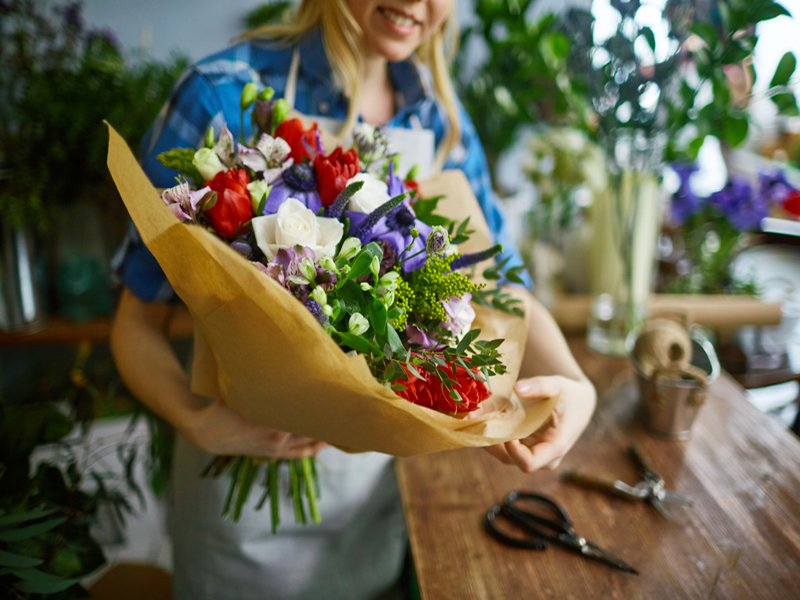
The flower industry is currently undergoing a remarkable transformation, as the traditional preference for imported bouquets gradually gives way to a growing appreciation for local flowers. For years, large-scale imported flowers from distant lands dominated the market, often at the expense of the ecological footprint and product freshness. Nowadays, consumers are increasingly choosing flowers grown on home soil, driven by changing social awareness and a deeper connection to the seasons. This shift is not only an aesthetic choice but also a powerful support for sustainability in the agricultural sector.
Growing flowers near the end consumer reduces the need for long-term transport, refrigeration, and chemical preservatives often associated with international flower trade. As a result, the flowers stay beautiful longer and retain their natural fragrance, which is a major advantage for both the florist and the customer. Moreover, this trend stimulates the local economy and provides opportunities for small-scale growers to distinguish themselves through craftsmanship and ecological responsibility.
Quality and seasonality as the new norm
A crucial aspect of the popularity of local flowers is the return to seasonality, which has introduced a unique dynamic to the flower market. Where people were once accustomed to buying the same roses or carnations all year round, consumers are now rediscovering the charm of flowers that match the current season. This local approach ensures bouquets that not only vary in color and texture but also tell a story about the natural cycle of the landscape. Working with what the soil has to offer at any given moment compels florists and consumers toward creativity.
Additionally, there is a clear increase in demand for environmentally friendly production processes. Local flowers are often grown without excessive use of pesticides, which benefits rural biodiversity. These ecological benefits are increasingly highlighted by florists who position themselves as conscious entrepreneurs. Buying a local bouquet has thus become a statement: it shows respect for nature and supports the transition toward a more responsible supply chain where quality and transparency prevail over mass production and volume.
Future perspective and consumer behavior
The future for the local flower sector looks promising as consumers refine their purchasing behavior and place more value on the origin of their purchases. The trend toward awareness is not a temporary hype, but a structural change in how we view consumer goods. Companies and individuals choosing locally grown flowers contribute directly to reducing the global ecological footprint. This transition does require closer collaboration between growers, florists, and consumers, with a focus on understanding the production cycle.
As the sector grows, logistics networks will improve, making local flowers more easily available to a broader audience. The role of the florist is shifting from a mere seller to an advisor who informs the customer about the origin and seasonal characteristics of the flowers. Through this transparency, the appreciation for the craft of the flower grower is strengthened. Ultimately, this upward spiral leads to a flower sector that is not only economically viable but also fundamentally healthier for our planet and biodiversity in our immediate environment.