Français
  Nederlands
The art of optimal vegetable preservation
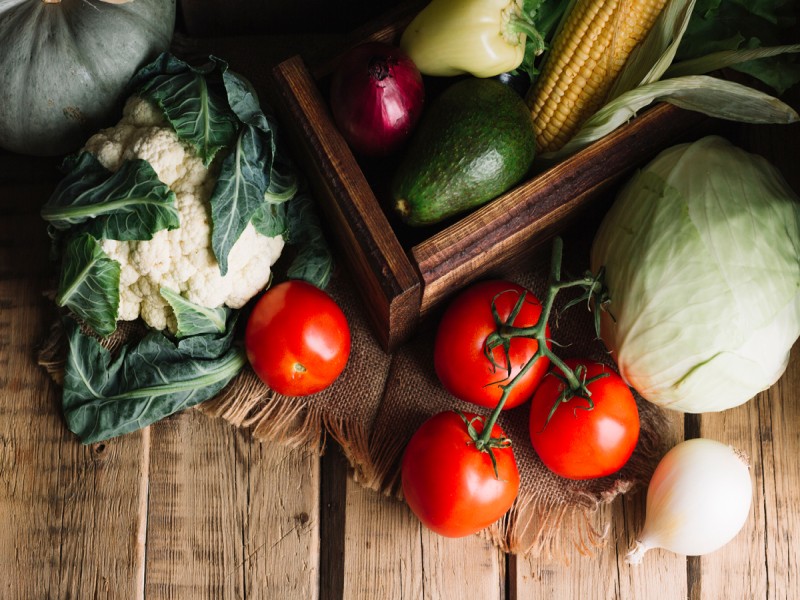
Extending the shelf life of fresh vegetables is an essential skill for every consumer who wants to combat food waste and ensure the quality of their ingredients. The first step in this process is understanding the specific needs of different vegetable varieties. Many people make the mistake of placing all their purchases directly into the refrigerator, but this is actually harmful to many products. Vegetables such as tomatoes, cucumbers, and eggplants, for instance, thrive better in a cool, dark place outside the fridge, as cold temperatures can affect their texture and disrupt their natural ripening process.
Additionally, it is crucial to keep vegetables with different ripening speeds separated. Certain products release ethylene gas, a natural hormone that causes nearby fruits and vegetables to ripen and eventually spoil more quickly. By keeping ethylene-sensitive products like leafy greens away from ethylene producers like apples or tomatoes, you can significantly extend the freshness of your stock. Investing in high-quality storage containers or ventilated bags can make a big difference in maintaining nutritional value.
Hygiene and preparation techniques
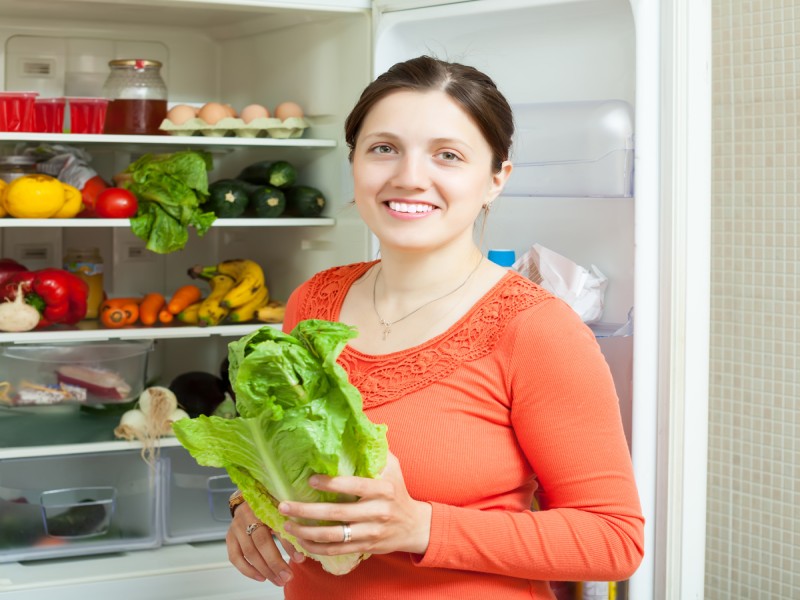
Another important factor for maintaining quality is how vegetables are cleaned and prepared for storage. It is a common misconception that vegetables should be washed immediately before being placed in the refrigerator. Excess moisture is actually the greatest enemy of a long shelf life, as it stimulates the growth of mold and bacteria. It is recommended to wash vegetables only when you are actually going to prepare them. If you want to store leafy greens like lettuce, it is effective to pat them dry gently and place them in a container with a sheet of paper towel to absorb the remaining moisture.
For root vegetables, such as carrots or beets, it is wise to remove the tops immediately after purchase. The tops actively draw moisture and nutrients from the root, causing it to become limp and soft faster. This simple action helps the texture of the product stay crunchy for much longer. Also, do not forget to set the refrigerator to the correct temperature, ideally between four and seven degrees Celsius. An organized refrigerator also provides better air circulation, which is crucial for maintaining the quality of your organic vegetables. Implementing these structured routines not only helps save money but also promotes a more sustainable household by keeping food waste to an absolute minimum.
Sustainable long-term storage
In addition to direct refrigerator storage, there are advanced methods to further extend the lifespan of your vegetables. For larger quantities or surpluses, freezing is an excellent alternative. Most vegetables retain their flavor and vitamins best when blanched briefly first. This process, where vegetables are submerged in boiling water for a few minutes and then cooled immediately in ice water, deactivates enzymes that would otherwise lead to a loss of nutrients and color. After freezing in airtight packaging, many vegetables can be stored for months without significant loss of quality.
Finally, regular inspection is an indispensable part of good inventory management. Check your stock weekly for signs of rot or spoilage and remove affected products immediately to prevent them from contaminating healthy neighboring vegetables. Following the 'first-in, first-out' principle ensures that the oldest products are always used first, keeping rotation efficient. By being mindful of storage conditions and the specific needs of each vegetable type, you can enjoy a healthy lifestyle with fresh ingredients that retain their optimal taste and structure. It may require some discipline, but the result is a significant reduction in waste and higher culinary quality in your own kitchen.