Français
 Nederlands
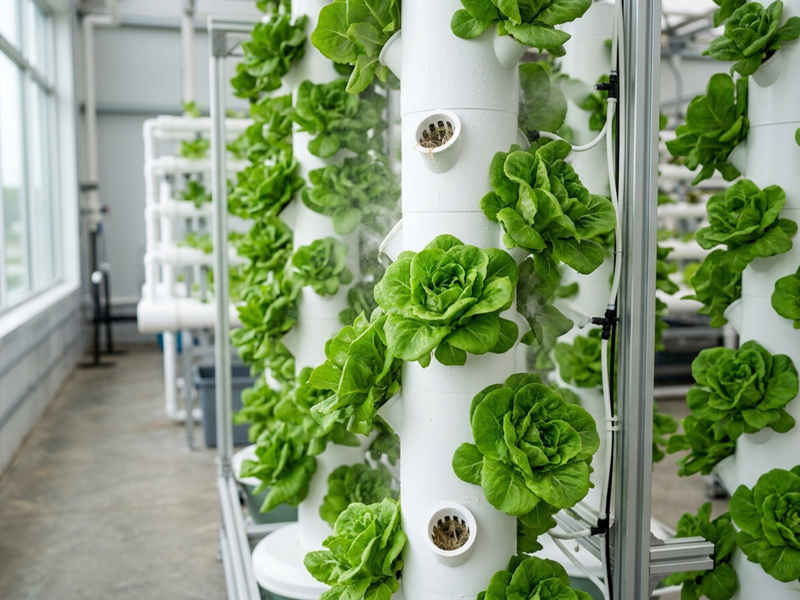
Introduction to hydroponic systems
Hydroponics is an advanced cultivation method where plants grow in a nutrient-rich water solution instead of soil. By using specific systems, growers can precisely control growing conditions, which often leads to higher yields and faster growth. Countless configurations are available, but three of the most popular methods are the Nutrient Film Technique (NFT) system, Deep Water Culture (DWC), and the drip system. Each of these systems offers unique benefits for different types of crops and experience levels. When choosing the right system, it is essential to consider factors such as budget, available space, and the type of plants you wish to grow. By understanding the hydroponics basics, you lay the foundation for a successful harvest without the need for traditional substrates.
The technique behind these systems mainly revolves around the efficient delivery of oxygen and essential nutrients directly to the roots. While one method relies on a constant flow of water, the other focuses on full immersion or periodic irrigation. Optimizing this environment ensures that the plant does not have to waste energy searching for food, allowing that energy to go directly to the development of leaves, fruits, and flowers. Whether you are a novice hobbyist or a professional grower, the choice of the right system largely determines the ease of maintenance and the final quality of your crop.
The operation of NFT, DWC, and drip systems
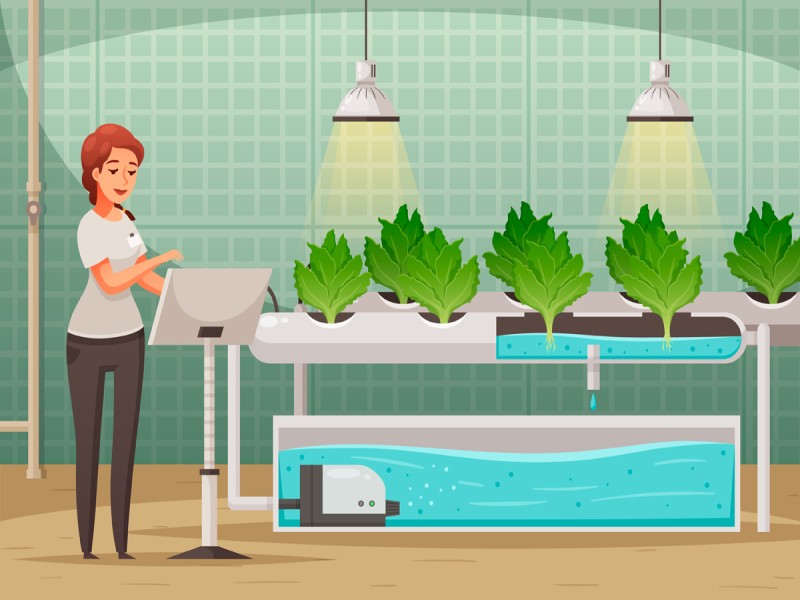
The Nutrient Film Technique (NFT) system is an active method where a thin film of nutrient water continuously flows over the plant roots. Plants are placed in slightly tilted gutters, allowing water to return to the reservoir via gravity. This system is extremely efficient because the root system has constant access to both oxygen and nutrients. However, it requires a constant flow; in the event of a power outage or pump failure, the roots can dry out quickly. On the other hand, we have Deep Water Culture (DWC), also known as the 'bubbler' method. Here, the roots hang in an aerated reservoir of water. This is one of the most simple systems to set up because few moving parts are needed. The air pump provides the much-needed oxygen supply.
The drip system, or irrigation system, is a very versatile method where nutrient solution is delivered directly to the base of the plant via small tubes. This system is particularly suitable for larger plants and can be used with both open and closed circulation. In a professional setting, automation is often used to precisely set the timing of the drips, contributing to optimal consumption of water and fertilizers. Although the drip system requires more technical components, it offers unprecedented control over the individual needs of each plant. By comparing the efficiency of these different methods, it becomes clear that each system plays its own specific role within the world of modern horticultural techniques, ranging from small-scale living room setups to large commercial greenhouses striving for maximum yield.