Français
  Nederlands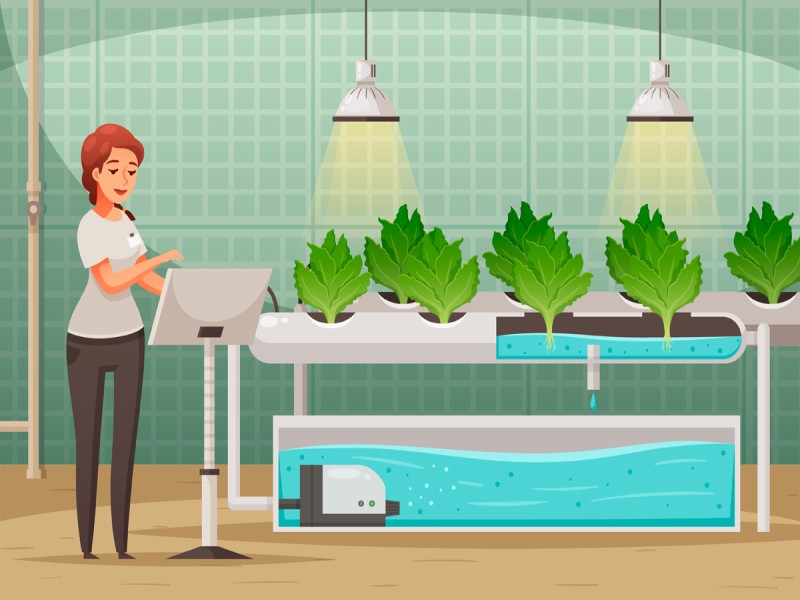
What is hydroponics exactly?
Hydroponics is an innovative cultivation method where plants grow in an aqueous nutrient solution instead of traditional soil. By exposing the root system directly to a balanced mix of water and minerals, plants gain more efficient access to the elements required for growth. This process not only eliminates the need for potting soil but also significantly reduces the risk of soil-borne diseases and pests.
For beginners, this technique offers a fascinating insight into plant biology and a cleaner way of indoor gardening. The system works by using inert growing media, such as clay pebbles or rock wool, which support the plant without adding nutritional value. The heart of the operation is the nutrient solution, which must be carefully managed to achieve optimal results. With the right setup, you can harvest fresh herbs or vegetables all year round, regardless of the weather conditions outside.
Step-by-step plan for your first system
Setting up a hydroponic system may seem challenging at first, but with the right approach, it is very accessible for the hobbyist. Always start with a simple system, such as the 'Kratky method' or a system with an air pump, to understand the basic principles of water circulation and oxygenation. You need a waterproof container, a basket for the plant, and a suitable growing medium to hold the roots.
Ensure that part of the roots hang in the solution, while another part remains exposed to air for necessary oxygen uptake. An essential part of success is regularly measuring the pH and EC levels, which refers to the concentration of nutrient salts. A stable pH ensures that plants can effectively absorb minerals. By inspecting your system weekly for algae growth and replenishing the water level, you create a stable environment.
It is a sustainable way of farming that consumes significantly less water than conventional agriculture because the water remains circulating in the system instead of seeping into the ground.
Tips for optimal maintenance
Once your hydroponic system is up and running, consistency is the key to a bountiful harvest. Light is a crucial factor; since hydroponics often takes place indoors, a suitable LED grow light is indispensable for plants that require plenty of sunlight. Also, pay attention to the water temperature, as water that is too warm can slow growth and encourage the formation of harmful bacteria. Regularly cleaning the reservoir and pumps prevents clogging and ensures a constant supply of fresh nutrients to the plant roots.
Do not forget that every plant species has specific needs in terms of light and nutrition. Therefore, it is preferable to start with easy crops such as lettuce, basil, or mint, which grow relatively quickly and are forgiving of beginner mistakes. As you gain more experience, you can experiment with more complex systems such as NFT or aeroponics. Hydroponics is not only an efficient hobby but also a scientific challenge that contributes to a greener lifestyle. With patience and the right knowledge, you will be amazed at the growth rate you can achieve on a water basis in your own home.