Français
  Nederlands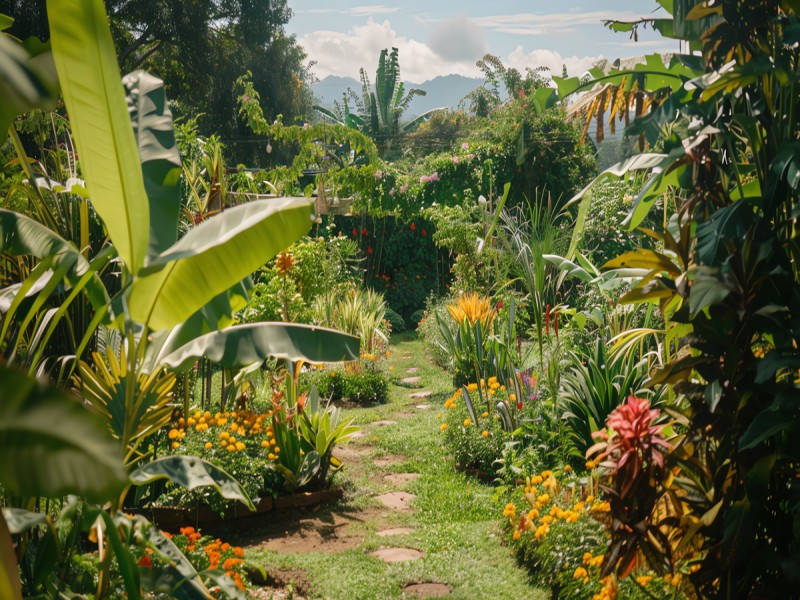
The essence of a climate-resilient garden
A sustainable garden design forms the foundation for a living environment capable of withstanding the whims of a changing climate. By making the right choices, we transform our outdoor space into a valuable buffer against heat stress and flooding. It starts with minimizing paving and maximizing greenery, with a thoughtful selection of native plants at its core. After all, these plants are adapted to local conditions, requiring less water and showing greater resistance to diseases.
Furthermore, a good soil structure is crucial; healthy soil acts as a sponge that retains rainwater and slowly releases it into the subsoil. Utilizing biodiversity is not just an abstract concept, but a practical strategy to create an ecological balance where beneficial insects and birds provide natural pest control. A living garden also requires less maintenance and offers essential cooling on hot days for both residents and local fauna.
Water management and ecological balance
Water management is an indispensable pillar of a sustainable garden design, especially in times of increasing drought and extreme rainfall. Instead of discharging precious rainwater directly into the sewer, it is advisable to infiltrate it on your own property via swales, rain barrels, or permeable paving. Cleverly capturing water not only ensures the replenishment of groundwater but also creates microclimates that enhance the sustainability of the garden.
Moreover, adding water features contributes to a greater variety of flora and fauna, directly increasing the garden's resilience. When we approach the garden as a cohesive ecosystem, we see that a diversity of planting—ranging from ground covers to trees—ensures a climate-resilience that lasts for years. It is essential to strive for a garden that not only looks beautiful but also functionally contributes to a greener and healthier environment. Through smart layout and respect for natural processes, we build gardens that are ready for the future.
Working with nature
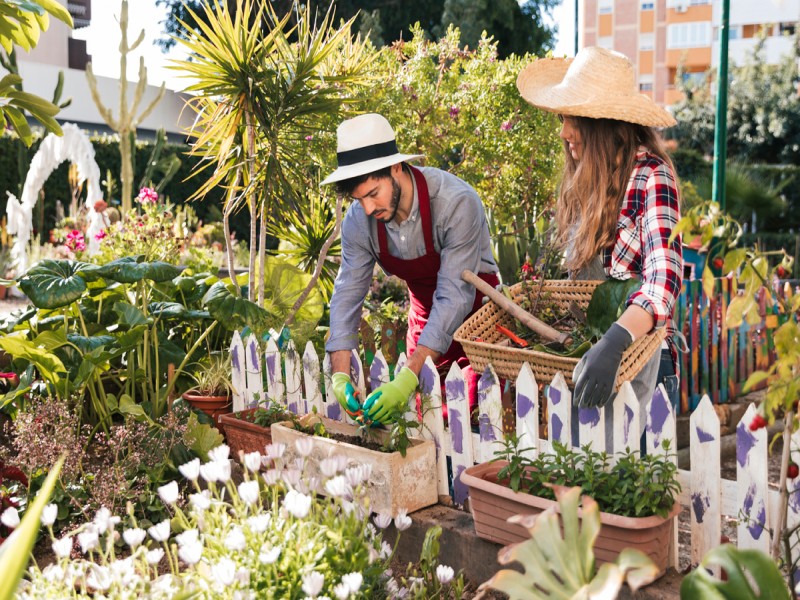
To make a garden truly sustainable, it is necessary to look beyond just the aesthetic aspect. Integrating natural elements such as dead wood, nesting boxes, and varied planting layers helps support diverse animal species that are indispensable in a healthy garden. Creating a layered design with climbing plants, shrubs, and trees not only provides shade but also acts as a natural insulation layer for the house. By avoiding fertilizers and chemical pesticides, we stimulate soil life, which ensures fertility in the long run.
A garden design that accounts for these factors results in a robust environment that becomes more beautiful and stronger over the years. It is an investment in both personal well-being and local ecology. When we give nature the space to take its own course within the framework of our design, a harmonious balance emerges that invites tranquility, wonder, and an active contribution to a greener world.