Français
  Nederlands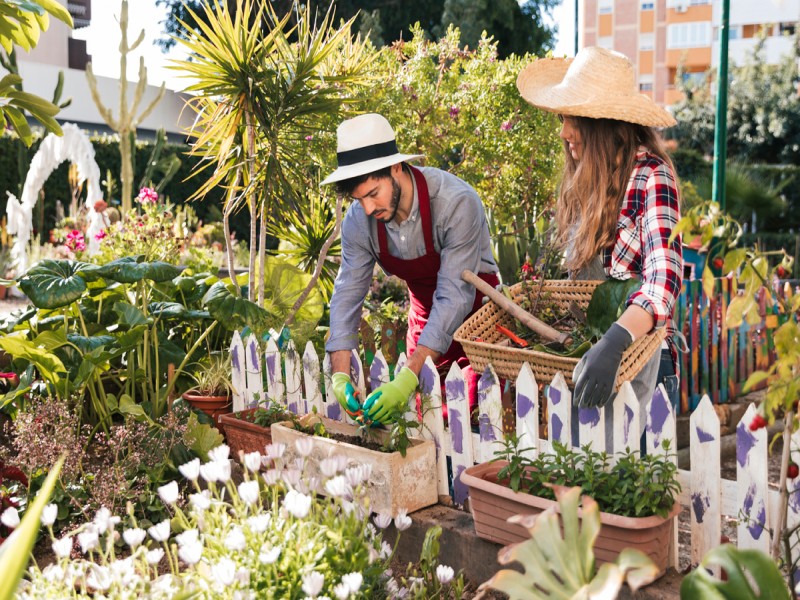
The ideal start with herbs
Creating your own herb garden is a fantastic way to elevate culinary creations with fresh ingredients from your own soil. For beginners, it is essential to start with easy herbs that require little maintenance and provide quick results. Chives are an excellent example; this plant is very hardy, grows almost anywhere, and reliably returns every year. It is a rewarding plant that requires almost no extra care, as long as the soil remains slightly moist.
Besides chives, mint is an essential addition for every gardener. However, be aware that mint tends to spread aggressively, so it is advisable to place this species in a separate pot or container. When you choose the right location, preferably a spot in partial shade, you will notice the plant growing explosively. This not only provides a wonderful aroma in the garden but also offers endless possibilities for tea, cocktails, and desserts.
Robust herbs for the sunny spot
If you have a sunny garden or a spacious balcony, Mediterranean herbs such as thyme and rosemary are highly recommended. These perennial plants thrive in drier soils and have strong resistance to varying weather conditions. Thyme often forms a beautiful carpet and is very versatile in the kitchen, while rosemary, with its woody structure, provides a stable presence that can last for years. Both species require little water and thrive best in well-draining soil, making them ideal for the forgetful gardener.
Another classic that should not be missed is oregano. This plant is not only a flavor enhancer in many Italian dishes but also acts as an attractive ground cover that attracts bees and butterflies to your garden. Oregano is particularly tolerant and survives even periods of drought without much difficulty. By focusing on these green thumb-friendly choices, you can build a healthy and productive herb garden with relatively little effort that enriches your daily meals with fresh, natural aromas and flavors.
Maintenance and harvest tips
Beyond choosing the right plants, understanding basic care is crucial for a thriving result. Regularly harvesting your herbs is often the best way to keep the plants healthy and vital; by pruning the tops, you stimulate the plant to produce side shoots and grow more compactly. Also, ensure you use quality potting soil if you decide to work with pots, as this forms the foundation for good nutrient absorption. Do not forget to provide light nutrition in the spring so that the plants have sufficient energy for their growing season.
Finally, patience is a virtue in gardening. Some herbs need time to settle, especially if planted in the spring. Observe how your plants react to their specific location and adjust watering as needed. By choosing these simple herbs, you create a system that largely sustains itself, leaving you more time to enjoy the culinary fruits of your labor. With the right basic elements and a little attention, your garden turns into an oasis of flavor that transforms every meal into a special experience.