Français
  Nederlands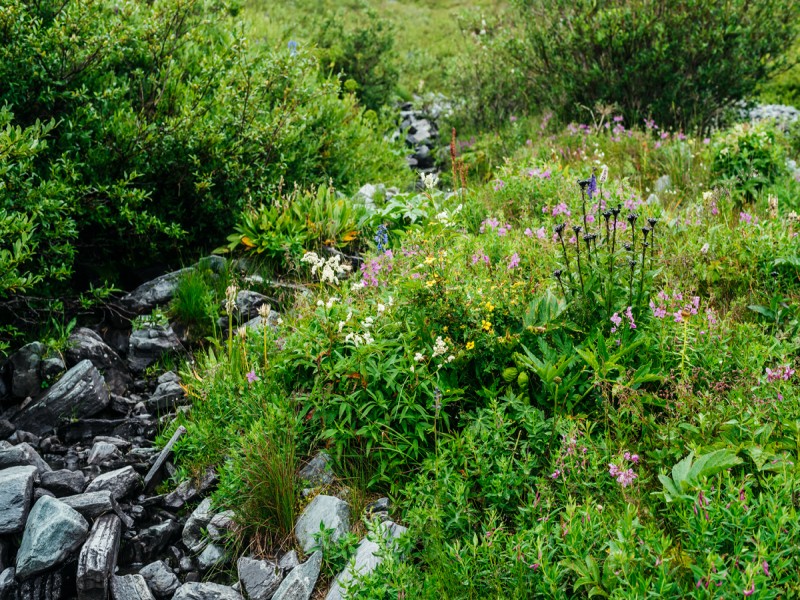
The essence of natural gardening
A natural garden is much more than just a collection of plants; it is a living ecosystem in harmony with the local environment. The goal of an ecological garden is to create a sanctuary for local flora and fauna, minimizing human intervention in favor of natural processes. It starts with understanding the soil conditions and the specific location of your plot. By choosing native plant species, you not only support local biodiversity, but your garden also requires significantly less long-term maintenance. Biodiversity is at the heart of this; by offering a variety of plants, heights, and bloom times, you create an environment that is more resistant to pests and diseases. Avoiding chemical pesticides is essential in this process to ensure soil health and not harm beneficial insects.
In addition, water management plays a crucial role in ecological design. Rainwater harvesting and creating a natural pond can transform the garden into a vibrant habitat for amphibians and birds. A wild garden also means allowing room for 'controlled chaos'. This means letting dead branches, leaves, and faded flowers remain, as they serve as shelters and food sources for overwintering animals. Letting go of the idea of a neatly mown lawn in favor of a flowery grassland can immediately increase the ecological value of your garden tenfold.
Strategic layout and maintenance
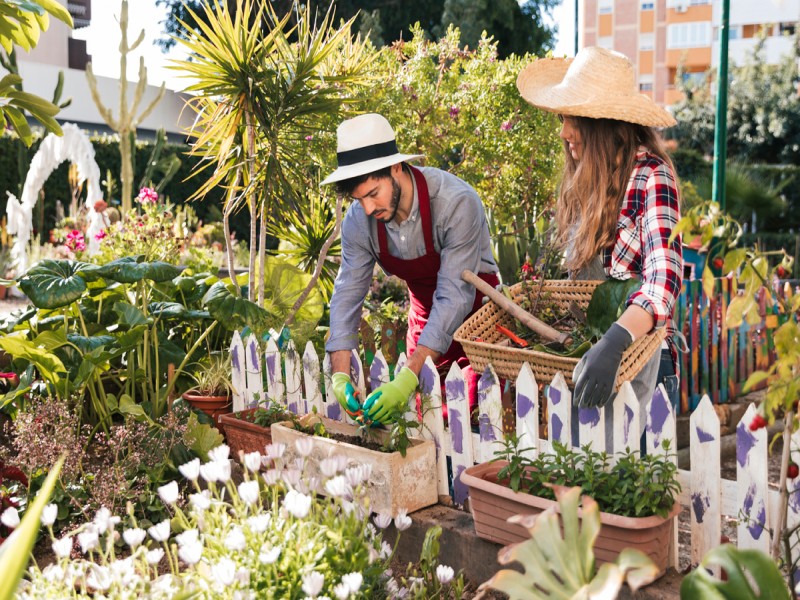
When designing a wild garden, a structured behind-the-scenes approach is necessary to achieve an aesthetically pleasing result. Use paths made of natural materials such as wood chips or permeable paving to make the garden accessible, while designing the rest of the space as a natural zone. Planting in layers—from ground covers and perennials to shrubs and small trees—creates a natural layering that provides nesting opportunities and shelters at various heights. Do not forget to integrate native nectar plants that provide bees and butterflies with nectar and pollen throughout the year. By dividing the garden into different zones, you maintain a visual balance between the wild character and an organized human living space.
Maintenance in a natural garden revolves around observation rather than rigorous control. Removing invasive exotic species is often the only necessary intervention, while other plants are allowed to seed themselves. Use mulch made of organic material to nourish the soil and suppress weed growth naturally. Healthy soil is the foundation of any ecological garden, and by applying composting in-house, you close the cycle within your own plot.
With a patient eye for detail, you transform your outdoor space into a dynamic landscape that changes every season. The result is not only an aesthetically attractive garden, but a powerful contribution to the conservation of our natural wealth in our own living environment.