Français
  Nederlands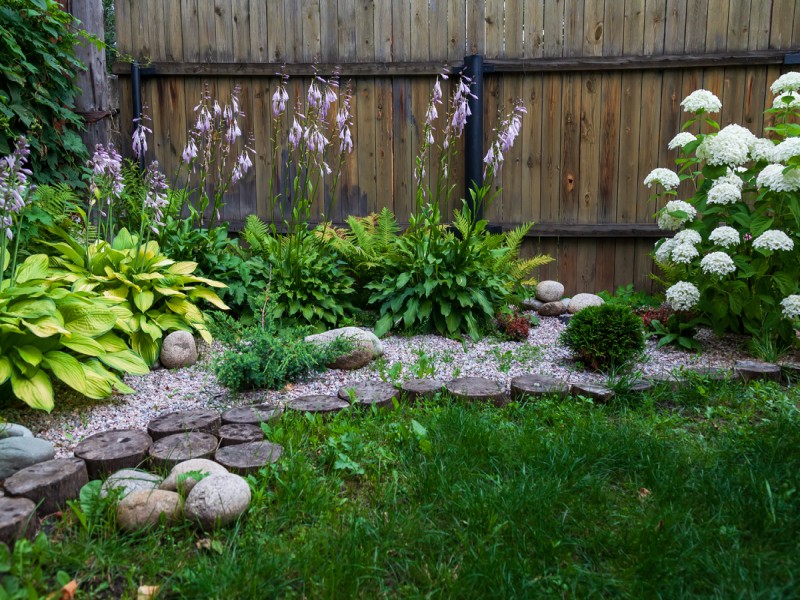
The power of a smart layout
A small garden requires a thoughtful approach where every square centimeter counts. The secret to a successful design is creating optical depth and cleverly combining different functions. Start by defining a clear focal point, such as a stylish planter or an artwork, to draw attention away from the limited scale. Then, use lines that make the space look optically larger; diagonally placed tiles or decking work excellently for this. It is essential to create a garden design that does not look cluttered but breathes. By placing the patio not in the center but to the side, more room is created for planting and pathways, which directly contributes to a spatial effect without sacrificing the functionality of the outdoor area.
Furthermore, it is crucial to work vertically. When the ground surface is limited, vertical elements such as climbing plants, wall decor, or a vertical green system offer a solution. This draws the eye upward and gives the garden a lush appearance without blocking the walkway.
Balancing functionality and aesthetics
When furnishing a limited space, furniture choice is of decisive importance. Opt for multifunctional elements, such as a bench with built-in storage or folding chairs that can be easily tucked away. Comfort does not need to be sacrificed for space in a small garden, provided the scale of the furniture is proportional to the environment. An atmosphere that radiates tranquility is achieved by using a calm color palette and working with different textures instead of an excess of bright colors. Use mirrors or light materials to reflect incoming light, making the garden feel lighter and larger. This is a professional technique to visually enlarge dark corners.
Do not forget lighting, as it is a determining factor for the ambiance in the evening hours. Subtle accent lighting near plants or an atmospheric light string creates an intimate character. By focusing on quality materials and a coherent style, you transform even the smallest city garden into an oasis where rest and aesthetics meet perfectly.
Greenery as a connecting factor
A garden without plants often feels cold, regardless of its size. In small spaces, it is important to carefully select plants for their leaf structure and seasonal variation. Work in layers: start with tall grasses or shrubs in the background, place flowers of different heights in between, and end with ground covers. This ensures an organized yet lush appearance. The use of large planters instead of many small pots prevents the garden from looking messy and contributes to a soothing visual image. When plants are positioned correctly, they act as the connecting factor that softens the hard lines of the design and adds natural depth.
Finally, a good maintenance plan is essential. Choose plants that do not grow too quickly so that the space remains balanced and maintenance is manageable. With a well-thought-out plan, where every element has a function, a small outdoor space becomes a valuable extension of the living environment that offers an experience every season.